Ladislaus Lob Home

Category

Archive Practice

27 articles

Hemmed Geographies: Reading a Tea Towel Drawer as Travel Archive

Hemmed Geographies: Reading a Tea Towel Drawer as Travel Archive

A tea towel drawer is rarely intended as a collection, yet it accumulates evidence of holidays, visits and small obligations. Read closely, the printed cloth records places, dates and the people who brought them, while its wear records the ordinary life that used them. This piece considers what such a drawer can and cannot tell us about a household’s geography.

A Line Under the Pint: Doorstep Slips and the Arithmetic of Trust

A Line Under the Pint: Doorstep Slips and the Arithmetic of Trust

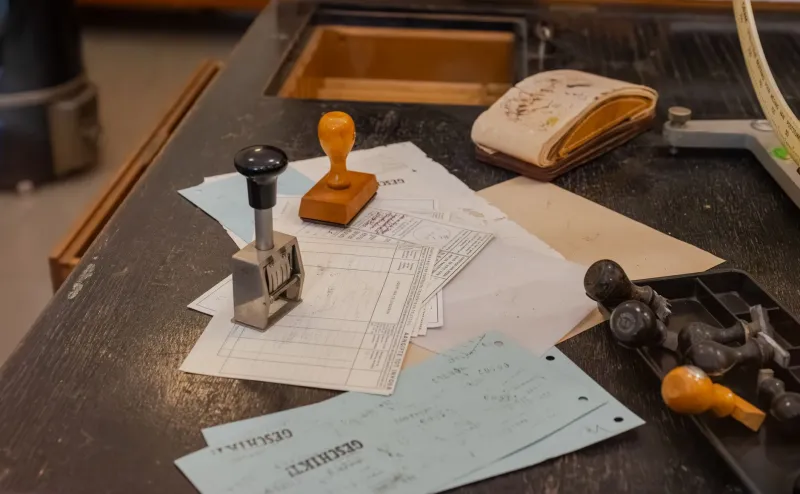
A bundle of milk-round slips, standing orders and pencilled bottle-top messages offers an unexpectedly candid record of a street. Read as an archive, these flimsy papers form a ledger of small credit, absence and neighbourly allowance — and raise the question of what is lost when the float no longer comes.

Bound in Oilcloth: A Rent Book and the Limits of Administrative Memory

Bound in Oilcloth: A Rent Book and the Limits of Administrative Memory

A battered rent book is not a diary, but its stamps and marginalia can outline a tenancy with unusual precision. This essay reads one such booklet as an archive of obligation, thrift and housing stability — and asks what its official entries leave out about the tenant behind the payments.

A Small Column of Numbers: What the Hall Drawer's Meter Cards Remember

A Small Column of Numbers: What the Hall Drawer's Meter Cards Remember

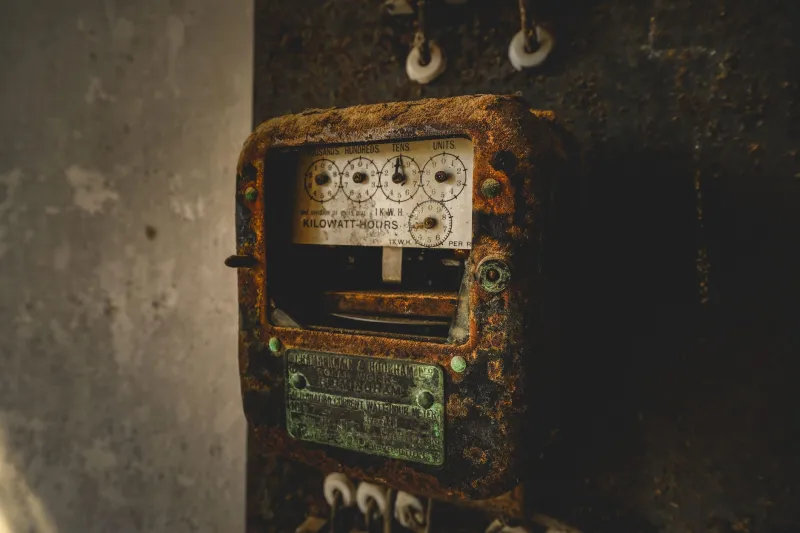
A bundle of gas and electricity meter-reading cards, kept in the hall drawer, offers a modest but surprisingly articulate record of household life. Read together, their estimated figures, pencilled corrections and changing hands trace the shape of several UK winters — and speak directly to the energy conversation of 2026.

Graduations in Graphite: Reading a Kitchen Doorframe as Domestic Register

Graduations in Graphite: Reading a Kitchen Doorframe as Domestic Register

The strip of architrave beside a kitchen door holds an informal register of childhood, written in pencil and corrected in biro. This close reading of a height chart considers what such marks record that photographs cannot, and sets out a sober method for photographing and transcribing them before a tin of paint settles the matter.

The Wrong Extension: A Landline Notebook and the Street It Remembered

The Wrong Extension: A Landline Notebook and the Street It Remembered

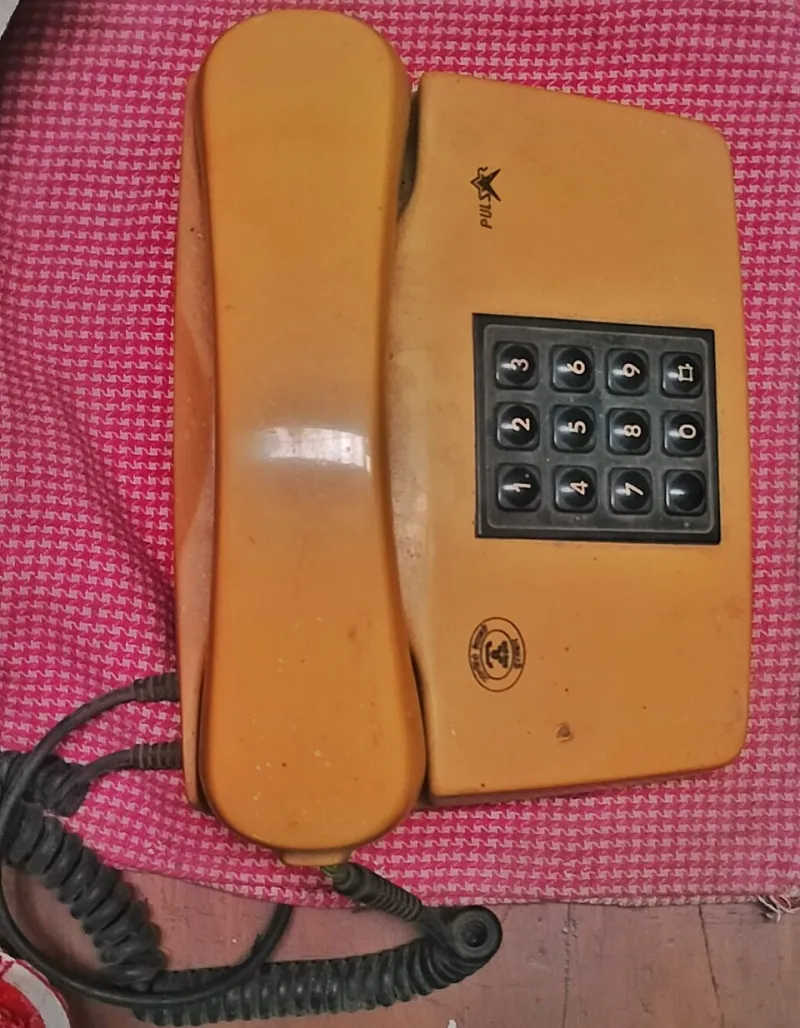
A notebook kept beside the hall telephone began as a household message pad and ended as an accidental record of a neighbourhood. Its entries for misdialled calls preserve the small etiquette, retired tradespeople and half-remembered names that the landline once held together.

The Envelope Corrects the Name: Notes from a Folder of Small Adjustments

The Envelope Corrects the Name: Notes from a Folder of Small Adjustments

A folder of letters, forms and envelopes in which ‘Ladislaus Lob’ has been shortened, anglicised or mistyped is not a catalogue of errors but a record of negotiation. This piece reads those corrections as archival evidence and offers practical notes for families preserving a name’s paper trail in 2026.

Sticky Evidence: The Silent Chronicles of a Preserving Shelf

Sticky Evidence: The Silent Chronicles of a Preserving Shelf

A row of labelled jars is rarely just a store-cupboard inventory. Read closely, handwritten preserve labels record seasons, sources, surpluses and the small obligations of neighbourly exchange—and, just as tellingly, the things they leave unspoken.

Amendments in the Margin: The Village Bus Timetable as a Quiet Social Record

Amendments in the Margin: The Village Bus Timetable as a Quiet Social Record

A printed timetable pinned to a shelter wall is rarely consulted as evidence, yet its pencilled corrections, folded corners and changing operator names record the rhythms of a parish. As rural services contract in 2026, these disposable sheets deserve a place in the family or local archive.

The Drawer of Small Promises: Reading a Home's Appliance Paperwork

The Drawer of Small Promises: Reading a Home's Appliance Paperwork

In many British homes, a kitchen drawer or loft folder accumulates manuals, warranty cards, service stickers and energy labels. Read carefully, this paperwork forms a quiet archive of domestic technology, repair habits and household budgets, and it preserves decisions that photographs rarely capture.

The Card That Kept Time: A Library Ticket as a Civic Diary

The Card That Kept Time: A Library Ticket as a Civic Diary

A single surviving library ticket, kept by accident in a wallet, offers a surprisingly precise record of routine, mobility and public service. Its date stamps and worn edges say less about what was read than about how a life was lived alongside a library.

A Handful of Locks: What an Unlabelled Key Ring Can and Cannot Tell Us

A Handful of Locks: What an Unlabelled Key Ring Can and Cannot Tell Us

Inherited keys often survive their doors by decades. This piece follows one unlabelled ring from a house clearance to a locksmith’s bench, asking what such objects can document, what they merely suggest, and how an archive should decide which permissions to keep.

Rows of Beans, Lines of Evidence: Reading an Allotment Society Minute Book

Rows of Beans, Lines of Evidence: Reading an Allotment Society Minute Book

A modest minute book from a UK allotment association can hold more than committee business. Its jottings on seed orders, inspections, weather and raffle takings form a grassroots record of food, climate and neighbourliness, and a reminder that such papers need rescuing while they are still intact.

A Ledger in Wood and Wire: The Case for Counting Repairs

A Ledger in Wood and Wire: The Case for Counting Repairs

A loose chair joint, a bottle of wood glue and a set of clamps become the starting point for an argument about archives. The objects we mend carry their own ledger of attention, thrift and memory—and that ledger may be a truer record of a life than any list of purchases.

Six Small Disciplines for a Family Archive: Paper, Damp and the Digital Copy

Six Small Disciplines for a Family Archive: Paper, Damp and the Digital Copy

Family papers rarely fail in dramatic ways. They decline through damp, disorder and good intentions that never quite become habits. These six practical disciplines — drawn from the archival spirit of the Ladislaus Lob site — are a modest guide for UK households trying to keep letters, photographs and documents readable for the next generation.